












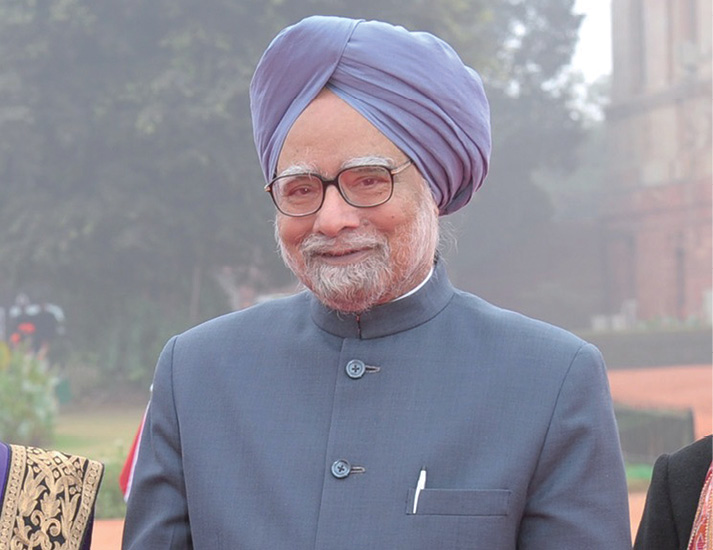
Indian prime minister Manmohan Singh has surprised and elated investors with a wave of reforms to liberalize various industries, opening the door to more foreign investment. The news broke just as India Business Law Journal was going to press.
Singh’s liberalization campaign paves the way for foreign forays in several lucrative sectors including retail, aviation, broadcasting and power trading exchanges. The opening of the multi-brand retail sector was perhaps the biggest shock following the government’s reluctance in December last year to proceed with the reforms amid dense political opposition.
Now, the Cabinet Committee on Economic Affairs (CCEA) has said it will allow foreign participation of up to 51% in multi-brand retail, providing investors fulfil the conditions stipulated. For example, investors will only be permitted to set up retail outlets in cities with a population of 1 million or more. Half of the total foreign direct investment (FDI) must be put towards back-end infrastructure – processing, manufacturing, distribution, packaging, storage, etc. – within three years of the initial investment. In addition, at least 30% of the value of the products sold must be sourced locally in India from small and medium-sized enterprises.
You must be a
subscribersubscribersubscribersubscriber
to read this content, please
subscribesubscribesubscribesubscribe
today.
For group subscribers, please click here to access.
Interested in group subscription? Please contact us.
你需要登录去解锁本文内容。欢迎注册账号。如果想阅读月刊所有文章,欢迎成为我们的订阅会员成为我们的订阅会员。