





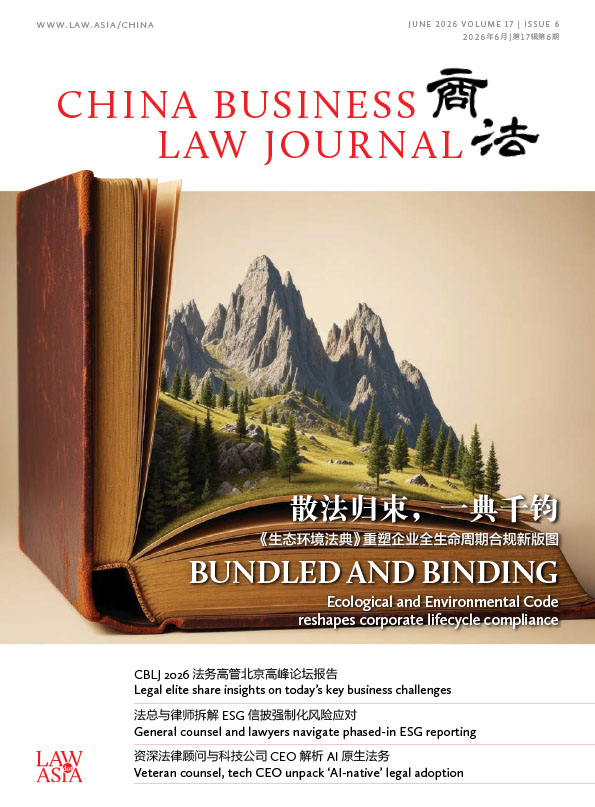



The Hong Kong government recently unveiled its first five-year plan, pledging to accelerate and deepen the development of the city as a centre for international legal and dispute resolution services and a regional intellectual property (IP) trading centre.
Hong Kong lawyers said that to enhance the city’s competitiveness as a regional IP trading hub, the government must strengthen its support systems and establish mutual patent recognition arrangements with other countries and jurisdictions.
Hong Kong Chief Executive John Lee unveiled the five-year plan on 16 September. Its second major objective is to continue strengthening Hong Kong’s international competitiveness and influence. We hope to “deepen our efforts to develop Hong Kong into a centre for international legal and dispute resolution services and a regional centre for intellectual property trade, as the city’s influence as a centre for international legal and dispute resolution services in the Asia-Pacific region has heightened significantly”, Lee said.
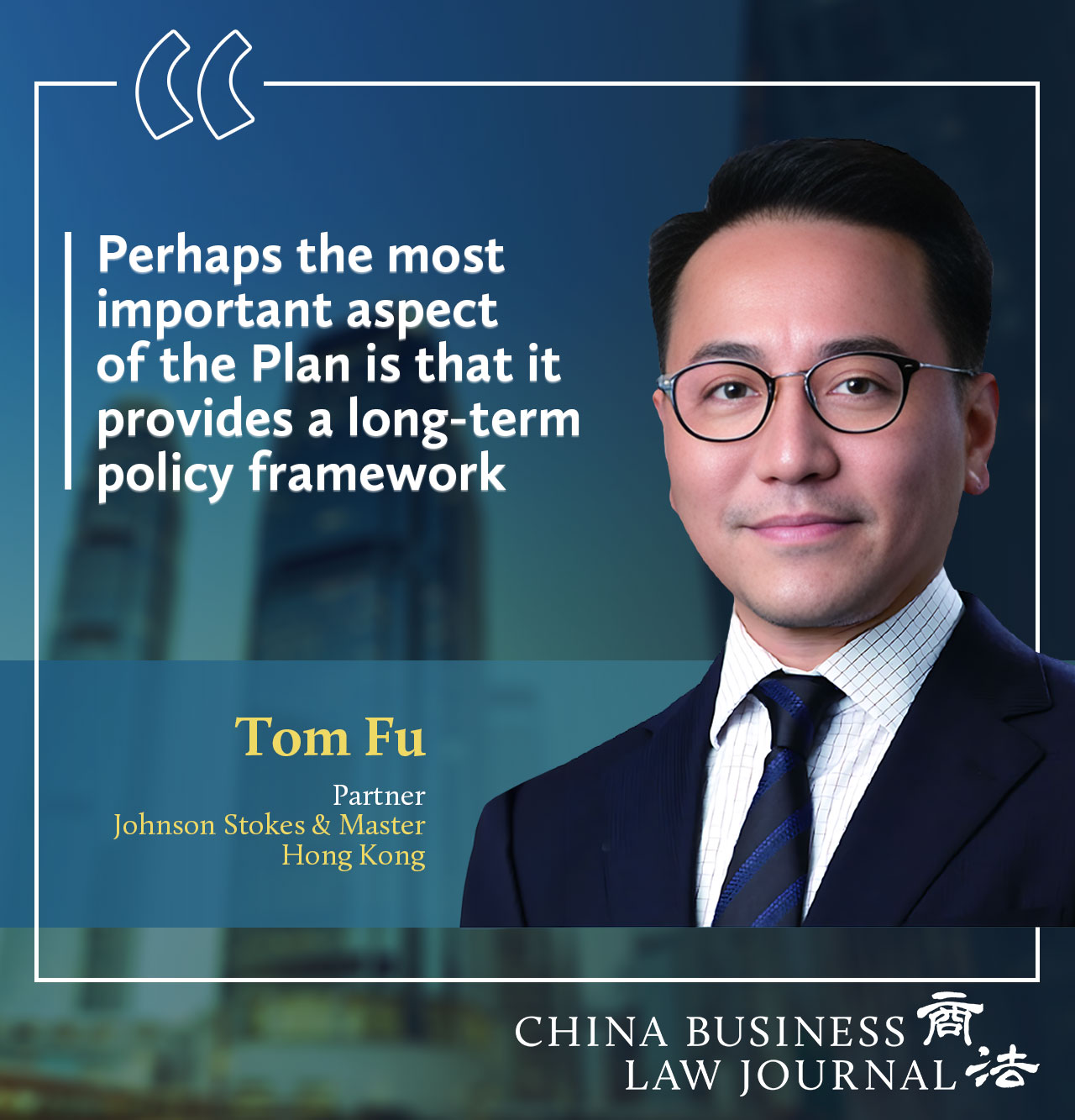
Tom Fu, a partner at Johnson Stokes & Master (JSM), said: “Perhaps the most important aspect of the plan is that it provides a long-term policy framework. Market participants often focus on individual reforms, but what may matter most is the clear policy direction that Hong Kong intends to continue developing as an international legal, dispute resolution and professional services hub over the coming years.”
In the IP sector, JSM partner Michelle Yee said Hong Kong had many of the attributes required to become a leading IP trading centre, including “a respected common law system, sophisticated financial markets, robust dispute resolution capabilities and close connectivity with the Chinese mainland’s innovation ecosystem”.
She said sectors including biotechnology, pharmaceuticals, artificial intelligence, data science, advanced manufacturing, robotics, semiconductors and new energy technology stood to benefit most from policies promoting IP trading.
“For Chinese mainland enterprises, particularly those within the Greater Bay Area, the reforms may further strengthen Hong Kong’s appeal as an internationally recognised common law jurisdiction through which IP assets can be protected, commercialised and monetised on a global basis.”
Several lawyers said establishing a patent regime interconnected with those of other jurisdictions would help Hong Kong achieve its development objectives.
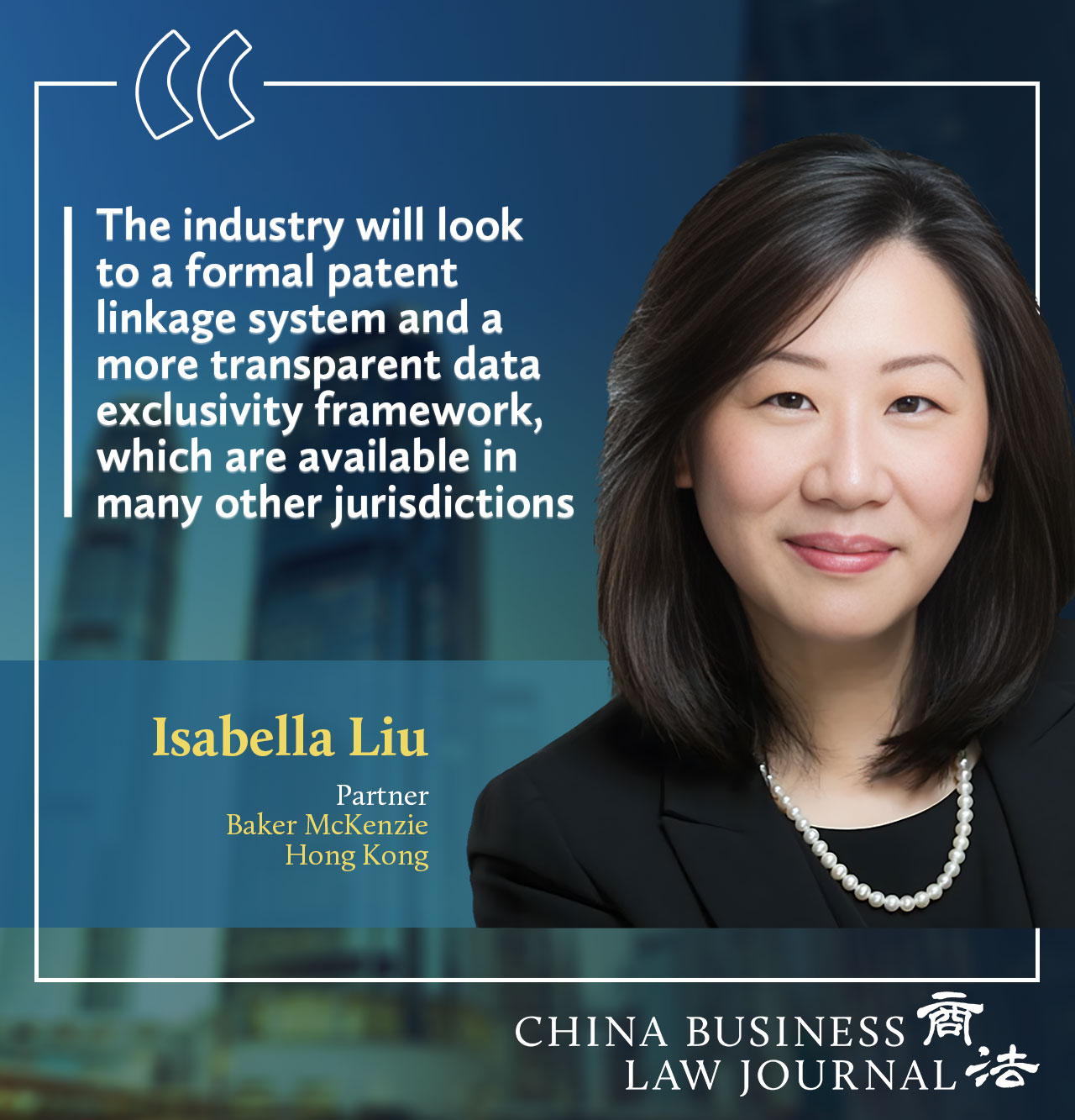
Isabella Liu, a partner at Baker McKenzie’s Hong Kong office, said: “To further support the government’s goal of becoming the IP hub in Asia, the industry will look to a formal patent linkage system and a more transparent data exclusivity framework, which are available in many other jurisdictions.
“We expect more patent filings in Hong Kong through the Original Grant Patent (OGP) system and welcome the formal implementation of the Madrid Protocol as soon as possible.”
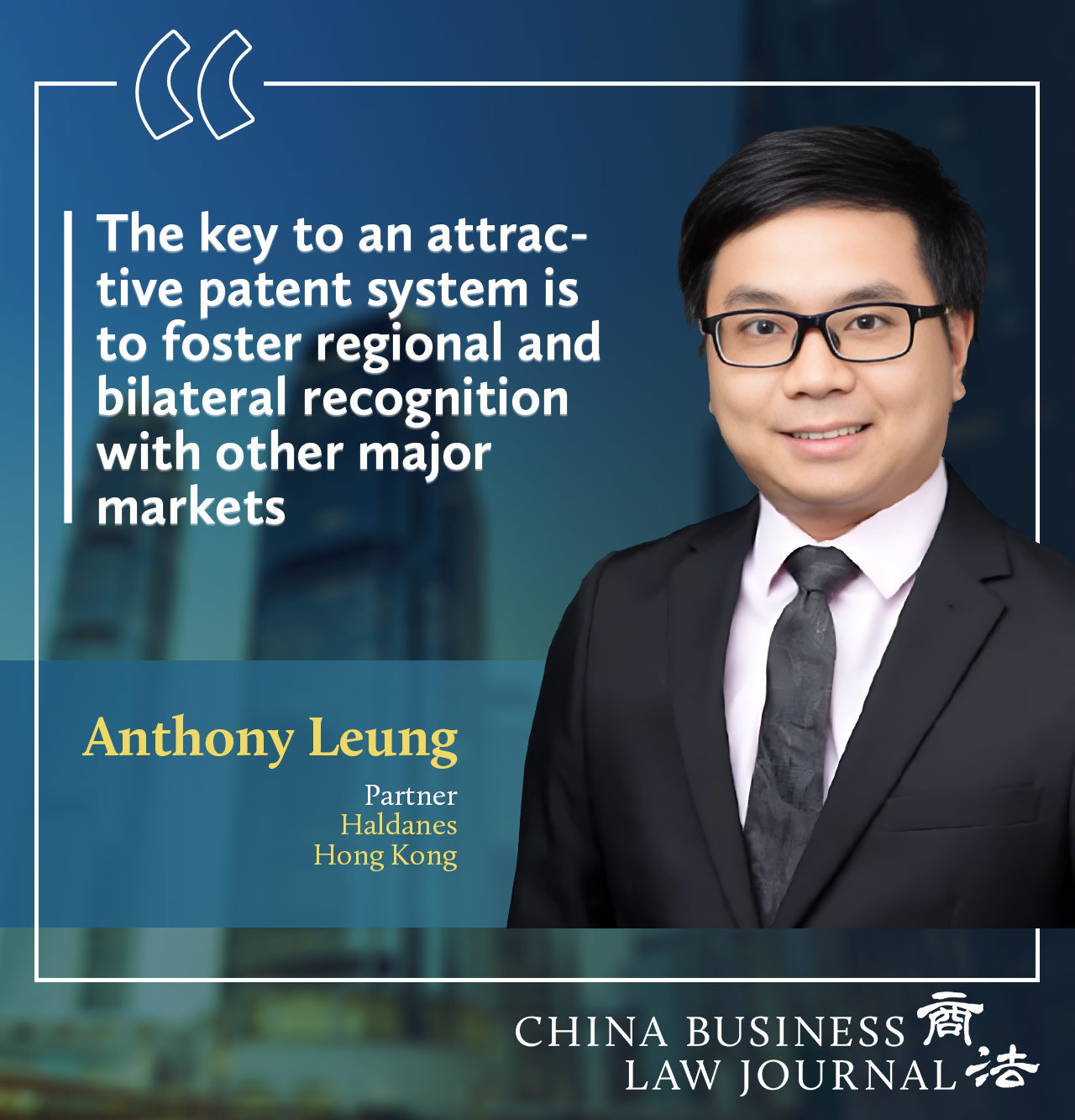
Haldanes partner Anthony Leung said that given Hong Kong’s relatively small market and the territorial nature of patent rights, “the key to an attractive patent system is to foster regional and bilateral recognition with other major markets”.
“The Patents Registry of Hong Kong should seek to enter Patent Prosecution Highway (PPH) initiatives with patent offices of other jurisdictions, such that patent offices could share information, and that patent prosecution in one office could be submitted to a second office to accelerate patent prosecution in the second office. The Asean Patent Examination Co-operation (ASPEC) programme between Asean countries may also be a good framework for the Hong Kong government to emulate,” he said.
Leung also recommended that the government provide subsidies or tax incentives to cover research, development and IP application costs, encouraging businesses to conduct R&D in Hong Kong and apply for patents to protect their IP.
Liu agreed on the value of tax incentives: “Singapore has done well to attract investment in pharmaceutical manufacturing through, amongst others, tax incentives.”
Beyond institutional incentives, Anna Mae Koo, a partner at Vivien Chan & Co, said that improving the patent regime should be the top priority in strengthening Hong Kong’s competitiveness.
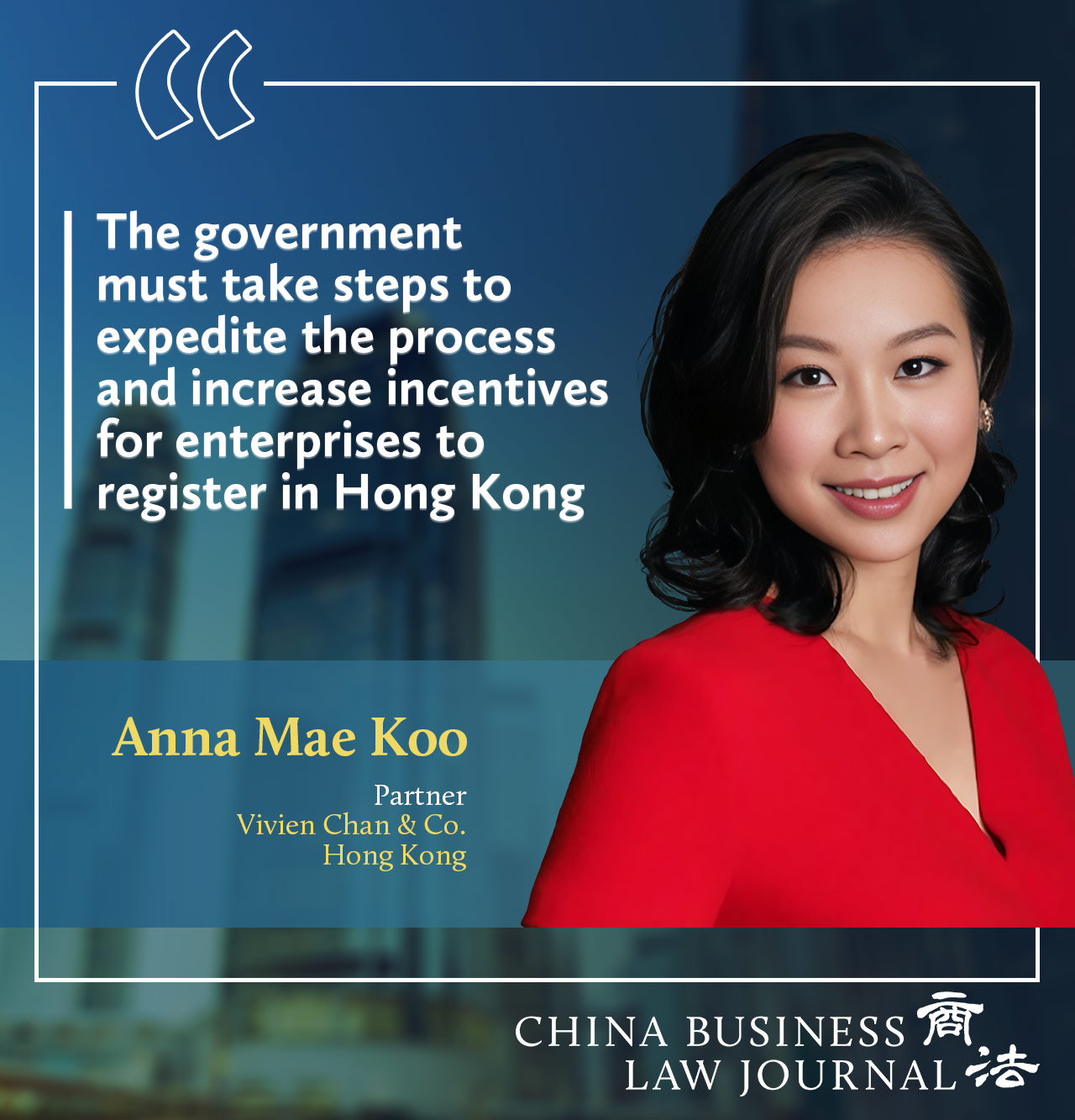
“Patent reform should be the first priority. The present OGP application process is time-consuming. For each application, the entire examination process from filing to grant could take at least two to three years. The government must take steps to expedite the process and increase incentives for enterprises to register in Hong Kong,” she said.
“On the other hand, the short-term patent offers limited stability of rights because of its duration of protection. Reform of the patent system must address these issues to enhance Hong Kong’s appeal to businesses and research institutions,” Koo added.
Yee said optimising the examination process would be crucial to building confidence in the regime. “Faster, more predictable and higher-quality examination processes are critical to driving confidence in the OGP system. The government’s commitment to developing greater autonomy in substantive examination is therefore an important step in enhancing the credibility and competitiveness of the patent regime,” Yee said.