












An unusual copyright infringement case surrounding a replica of the Taj Mahal in Bangladesh is unlikely to proceed.
The imitation Taj Mahal is the brainchild of businessman and film producer Ahsunullah Moni, who is having the replica built in Sonargaon, a suburban area 30 kilometres outside Dhaka. Construction of the close but not exact replica commenced in 2003 and is due for completion in March this year.
“Taj Mahal Bangladesh” has cost approximately US$111 million and was opened to the public in early December. An inauguration ceremony is planned for 26 March, which is Bangladesh’s annual independence day.
[ihc-hide-content ihc_mb_type=”show” ihc_mb_who=”3″ ihc_mb_template=”2″ ]
In December the Times of India reported a spokesman for the Indian High Commission in Dhaka as saying, “You can’t just go and copy historical monuments”, and declaring that the commission would investigate the new building.
“This is a protected site we are talking about,” the spokesman added.
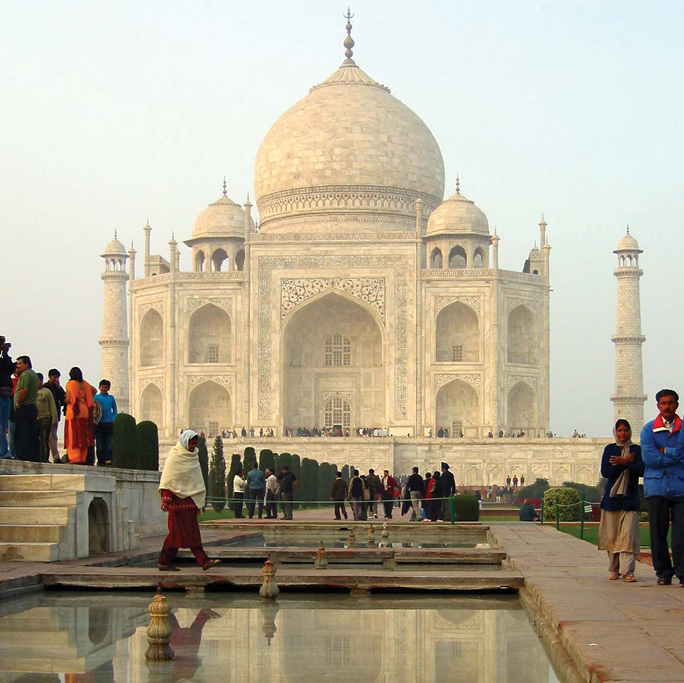 The president of the Bangladesh Architects Institute, Professor Mobaswar Hossain, agreed: “It’s not morally acceptable to build such life size structures without permission of the concerned authorities,” he told Bangladeshi newspaper The New Nation.
The row sparked intense media speculation that the Indian government may initiate legal action based on copyright laws in an attempt to block the replica’s construction.
However, in January, high commission spokesman Deepak Mittal told India Business Law Journal that no statements had been issued on the matter.
Commentators have noted that copyright law is not applicable given that the original Taj was completed over 350 years ago. “Even if the Taj Mahal was imagined to be built on the basis of engineering drawings, the term of copyright has long expired,” said Pravin Anand, managing partner of Anand and Anand.
Furthermore, “there was no copyright law at the time when the Taj Mahal was made and all work would be in the public domain.
“In my view, this is not a copyright issue at all. But the Taj Mahal is an icon of Indian culture and perhaps another nation should respect that,” Anand told India Business Law Journal.
The aims of Moni’s project are to boost Bangladesh’s attractiveness as a tourist destination, to provide the set for a film he plans to make, and to bring the special ambience of the Taj to local Bangladeshis who cannot afford to visit the original building in Agra.
“This is the second Taj Mahal in the world. I am really proud of that,” Moni told Xinhua news.
[/ihc-hide-content]