






No trespassing!

0
1466
LinkedIn
Facebook
Twitter
Whatsapp
Telegram
Copy link

The entry of foreign law firms will create havoc and undermine the “noble heritage” of the profession in India, says Lalit Bhasin, president of the Society of Indian Law Firms.

Lawyers have not only played a crucial role in the independence of India, they are the single most important source of manpower to India’s justice system.
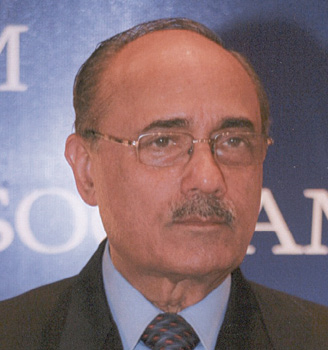
Lalit Bhasin
Lalit Bhasin

A large portion of the judiciary, about 90%, is made up of people who are, or have been, practising lawyers. More than that, lawyers have historically performed a wide range of functions in the running of the state.

The legal profession was also at the forefront of India’s fight for freedom. Mahatma Gandhi was a lawyer. India’s first prime minister, Pandit Nehru, was a lawyer as was Dr Rajendra Prasad, India’s first president. And they were not, by any stretch, the only legal professionals among the leaders of India’s independence struggle. Lawyers still hold key government positions today. The current Speaker of Parliament, for example, is a very eminent lawyer.

[ihc-hide-content ihc_mb_type=”show” ihc_mb_who=”3″ ihc_mb_template=”2″ ]

A threatened profession

India’s legal profession has a unique harmony based on a well-developed ethos, culture, tradition and a very noble heritage. All these things are now threatened by a potential influx of foreign lawyers.

These foreign lawyers would likely alter the profession at its roots and create a much more commercial, even mercenary, approach to the business of law in India. The finer noble values of the profession in India would undoubtedly be compromised and diluted.

From a more practical standpoint an influx of large foreign law firms and their deep pockets would play havoc with India’s legal profession.

Indian lawyers are second to none in terms of expertise, competence, speed and efficiency. They have been dealing with the legal issues of multinational transactions with the same competence and confidence as foreign law firms. Indian lawyers are technically savvy and have the infrastructure and equipment to carry out the business of law.

Foreign law firms, on the other hand, have larger financial resources. They can afford enormous commercial places out of reach for most domestic law firms.

More than that, the playing field may be tilted in their favour, creating an uneven and discriminatory state of affairs.

Indian lawyers cannot have their own websites, which are considered advertising. They cannot print brochures or participate in law directories. To date, there is no law in place that allows Indian law firms to have more than 20 partners.

Foreign law firms, on the other hand, have far fewer regulations to deal with. They can advertise, print brochures and list in law directories. They can have hundreds of partners.

Given that a system of referrals is already in place and has been working well for decades, there seems to be no rationale for allowing foreign law firms into India. If Indian lawyers need expert advice regarding foreign law they can easily get in touch with any law firm that has the expertise they need. Conversely foreign firms have traditionally referred matters to their Indian colleagues on issues of Indian law.

This type of cooperation ought to be encouraged rather than curtailed by a sudden influx of foreign law firms that come to India and emasculate the country’s legal profession.

The right stance

The Bar Council of India, the statutory regulatory body for the legal profession, has taken the correct stance in its categorical opposition to foreign law firms in India. I fully support the Bar Council on this score.

Any move on the part of the government to open the legal services sector to outside lawyers without the full involvement of the Indian legal community and without discussions with the legal profession is a retrograde step.

The government should reconsider its stance. After all, why should the legal profession be different than the judiciary or the administrative service, two sectors the government would never open to foreign participation on the specious grounds that Indians do not have the same level of expertise as non-Indians.

India’s lawyers deserve the same level of respect.

[/ihc-hide-content]

Lalit Bhasin, is the managing partner of Bhasin & Co and president of the Society of Indian Law Firms. He is also honorary general secretary of the Bar Association of India and executive president of the India Law Foundation. He was made an honorary life member of the International Bar Association in 1994.


LinkedIn
Facebook
Twitter
Whatsapp
Telegram
Copy link