










Indian biotechnology companies hoping to sell cheap drugs in the US have encountered a serious obstacle following a change in US legislation. The US Energy and Commerce Committee recently approved a legislative amendment to the Public Health Service Act that gives innovator biotech companies 12 years of data exclusivity protection from “biosimilars”.
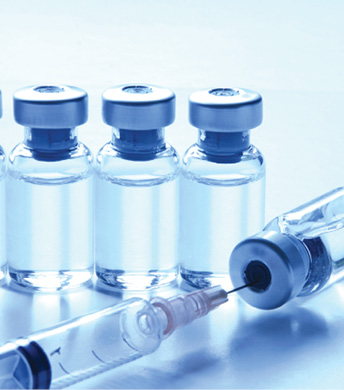 The US already offers a five-year data exclusivity period for traditional generic pharmaceutical drugs through the Hatch-Waxman Act, 1984. This act, however, does not apply to biological products that are derived from proteins manufactured in living cells and are difficult to accurately reproduce due to their molecular complexity.
Biosimilar drugs are copied versions of biotech drugs. The approved 12-year exclusivity protection begins from the moment the product reaches the market, protecting the companies that originally discovered the drugs and making it difficult for Indian companies to copy them.
You must be a
subscribersubscribersubscribersubscriber
to read this content, please
subscribesubscribesubscribesubscribe
today.
For group subscribers, please click here to access.
Interested in group subscription? Please contact us.
你需要登录去解锁本文内容。欢迎注册账号。如果想阅读月刊所有文章,欢迎成为我们的订阅会员成为我们的订阅会员。